
PP Manure Removal Belt System
The PP manure removal belt system collects and transfers manure out of the layer house automatically. Under each cage tier, a belt catches the droppings; at the end of the house, cross and inclined conveyors carry everything to one discharge point — a trailer, a truck, or a manure processing line. The crew never shovels.
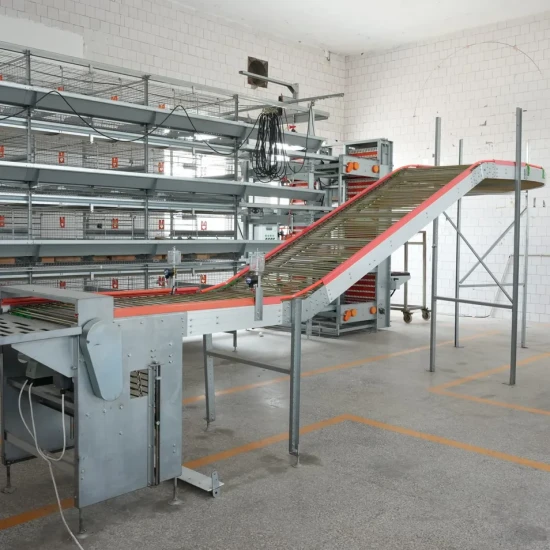
The system is designed together with the cage rows: cage type, tier count, house length, belt width, manure volume, and where the manure needs to end up. It integrates directly under our H-type layer battery cage tiers, and the belts themselves — extruded white PP, cut to width, supplied in rolls — are available separately for existing installations.
Manure Removal System
Longitudinal manure scrapers: 275g/m² hot-dip galvanized steel sheet, including head and tail drive system, drive motor 1.5kW
Longitudinal manure belts: High-strength PP material, δ=1.1mm.
Transverse manure conveyor: L=17m; PVC 4mm thick.
Inclined manure conveyor: L=9.5m; PVC 4mm thick.
PP Manure BeltPP Manure Belt:
Our Extruded White PP Manure Belt is extensively used for smooth removal of Manure from the Chicken Poultry Cage System. With the help of PP Poultry Belt the Chicken Cage Farm is maintained cleanliness by removing Manure of Chickens daily.
The PP Belt Itself
The belt is the component that makes or breaks the system — it runs every day, in ammonia and moisture, for years. Ours is extruded white polypropylene:
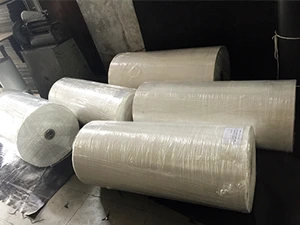
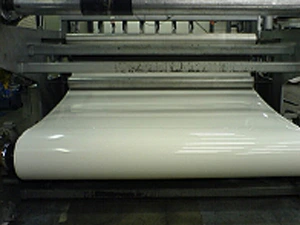
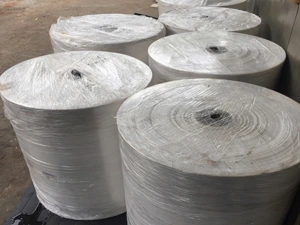
- Thickness 0.50 – 2.50 mm — matched to belt width, span, and load; heavier belts for wider runs.
- Width 500 – 2,000 mm (20″ – 79″) — cut to the cage tier width.
- Length custom, in roll form — spliced to house length on site.
- Smooth low-friction top surface — manure releases cleanly at the discharge roller instead of riding the belt around.
- Low-temperature resistance to −50 °C — the belt stays flexible, not brittle, in unheated houses through cold winters. This matters in high-altitude and continental-climate installations where overnight house temperatures drop hard.
- UV-stabilized — resists the UV exposure that degrades ordinary polypropylene, for belts running in open-sided or naturally ventilated houses.
- Puncture resistance and tensile strength — the belt carries scraped feed residue and sharp foreign objects without splitting; tensioning and tracking components keep it centered on the rollers.
Longitudinal: Belt or Scraper?
Two longitudinal options run under the cage rows, and they suit different installations:
| Factor | PP Manure Belt | Manure Scraper |
|---|---|---|
| Construction | High-strength PP belt, δ = 1.1 mm | 275 g/m² hot-dip galvanized steel sheet |
| How it moves manure | Continuous belt surface conveys droppings | Blade scrapes along the channel |
| Typical placement | Directly under each cage tier | Under slatted floors / in channels |
| Manure condition on arrival | Flat layer, air-dries on the belt during transport | Scraped wet, in the channel |
| Drive | Head and tail drive system, 1.5 kW | Drive system, 1.5 kW |
| Best for | H-type multi-tier cages — one belt per tier | Channel and pit installations |
(Confirm the split: belts for tier systems, scrapers for channel systems — or both offered per layout.)
The Manure Path
Manure leaves the house in three legs:
1. Longitudinal belts or scrapers (per tier). Under each cage tier, a PP belt (or galvanized scraper) runs the house length. Droppings fall onto the belt; the belt conveys them toward the end of the house. Belt drive: head and tail drive system, 1.5 kW drive motor. (Confirm motor count per house — one drive per tier row or per section.)
2. Transverse conveyor. At the house end, each longitudinal belt discharges onto a transverse conveyor — PVC belt, 4 mm thick, running across all rows (reference project: L = 17 m). It gathers multiple rows into one stream.
3. Inclined conveyor. The inclined conveyor — PVC belt, 4 mm thick, reference L = 9.5 m — lifts the manure stream up to the discharge height: over the wall into a trailer, or into a processing machine such as our screw press solid-liquid separator.
The result: one discharge point for the whole house, at truck or machine height, instead of manure handling inside the house.
Why Belt Removal Changes the House
The belt does more than replace shoveling:
- Ammonia — droppings leave the house frequently instead of decomposing under the cages. In-house ammonia is the difference between belt systems and pit systems.
- Dry manure output — droppings air-dry on the belt during transport. Dry manure is lighter to haul, easier to store, and sells into fertilizer processing — wet pit manure is none of those.
- Fly and odor load — frequent removal cuts the breeding substrate; this is the standard argument for belt systems over deep pits in hot climates.
FAQ
Belt or scraper — which do I need?
Belts run directly under cage tiers in H-type systems — one belt per tier, dry manure output. Scrapers run in channels and pits where a blade cleans the channel floor. Many houses use both: belts under tiers, scrapers in the pit below. We confirm per layout.
What widths do the belts come in?
500 to 2,000 mm — cut to match the cage tier width. Length is custom, supplied in roll form and spliced on site.
Does the cold crack the belt?
The PP belt stays flexible to −50 °C — unheated houses in hard-winter regions run these belts without brittleness failure.
How does manure leave the house?
Longitudinal belts or scrapers deliver to the transverse conveyor, which feeds the inclined conveyor — lifting to trailer height or direct into a separator. One discharge point for the whole house.
Can I buy just the belts?
Yes — extruded white PP belt in rolls, thickness 0.50–2.50 mm, width to 2,000 mm, for existing belt systems. Send your belt width, thickness, and house length for a roll quotation.
Does it connect to manure processing?
Yes — the inclined conveyor can feed our screw press solid-liquid separator directly, separating solids for fertilizer from liquid. The discharge arrangement is confirmed at layout stage.